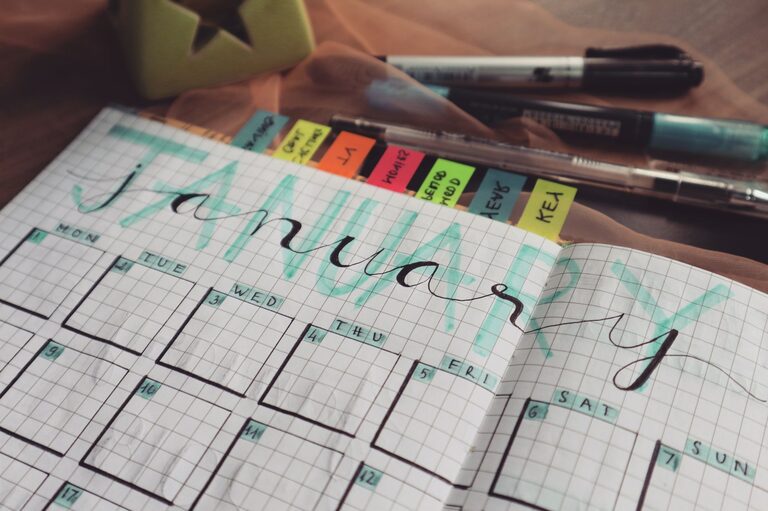

Creating a weekly meal plan can transform the way you approach cooking and eating. It saves time, cuts down on food waste, and helps you maintain a balanced diet. If you’ve never made a meal plan before or find the process overwhelming, this guide will walk you through easy steps to create a simple weekly meal plan that fits your lifestyle.
Why Create a Weekly Meal Plan?
Before diving into the how, it’s helpful to understand why a meal plan can make a difference:
– Saves Time: Planning meals ahead means fewer last-minute decisions and trips to the grocery store.
– Reduces Stress: Knowing what you’re cooking each day removes the hassle of daily meal prep.
– Improves Nutrition: Planning allows you to ensure your meals are balanced and include a variety of nutrients.
– Saves Money: Buying only what you need helps cut down on impulse purchases and food waste.
Step 1: Assess Your Weekly Schedule
Start by looking at your upcoming week. Note down any events or days when you know you’ll have limited time to cook, such as work late nights, social commitments, or days you might eat out.
Having this overview helps you plan simpler meals or leftovers for busy days and more involved recipes for days when you have time to cook.
Step 2: Choose Your Meals
Breakfast Ideas
Keep breakfast simple with options that don’t require much prep, such as:
– Overnight oats with fruit
– Yogurt and granola bowls
– Smoothies with spinach, banana, and protein
– Whole grain toast with nut butter
Lunch Ideas
For lunch, consider meals that travel well if you’re taking them to work or school:
– Salads with leafy greens, veggies, and protein like chicken or chickpeas
– Leftovers from dinner
– Sandwiches or wraps
– Grain bowls with rice, veggies, and a dressing
Dinner Ideas
Dinner is often when people want something tasty but manageable. Include a mix of:
– One-pot dishes like soups or stews
– Stir-fries with vegetables and your choice of protein
– Pasta with tomato sauce and veggies
– Simple roasted chicken and vegetables
– Vegetarian options like stuffed peppers or bean chili
Step 3: Create Your Meal Plan Template
Use a simple chart or printable template with days of the week and meal types (breakfast, lunch, dinner). You can also use digital tools or apps designed for meal planning.
Fill in your meal ideas based on your schedule. For example:
| Day | Breakfast | Lunch | Dinner |
|———–|——————-|——————-|———————-|
| Monday | Overnight oats | Salad with chicken | Stir-fry with rice |
| Tuesday | Smoothie | Leftover stir-fry | Pasta with veggies |
| Wednesday | Yogurt & granola | Sandwich | Roasted chicken |
| Thursday | Toast with nut butter | Grain bowl | Bean chili |
| Friday | Smoothie | Salad | Soup |
Step 4: Make a Shopping List
Once your meals are planned, write down all the ingredients you’ll need. Group them by category for easier shopping:
– Produce: vegetables, fruits, herbs
– Proteins: chicken, beans, tofu
– Grains: rice, pasta, oats
– Dairy or alternatives: yogurt, milk, cheese
– Pantry staples: spices, canned goods, oils
Having a clear list helps avoid buying duplicates and keeps you focused on what’s needed.
Step 5: Prep Ahead When Possible
To save time during busy days:
– Chop vegetables in advance and store them in containers.
– Cook grains like rice or quinoa ahead of time.
– Prepare sauces or dressings.
– Portion snacks into grab-and-go servings.
Meal prepping on a weekend or a free day can make your weekly cooking more manageable.
Tips for Staying Flexible
– Swap meals: If you don’t feel like what you planned, switch days or meals around.
– Use leftovers creatively: Leftovers can be transformed into new meals to avoid boredom.
– Keep staple ingredients: Having basics like canned beans, frozen veggies, or pasta on hand helps when plans change.
– Adjust portions: Make larger dinners that can turn into lunches the next day.
Final Thoughts
A simple weekly meal plan doesn’t have to be complicated or rigid. It’s a helpful tool to keep your week organized, reduce decision fatigue, and promote healthier eating habits. Start small, keep it realistic, and adjust as you go along. With a little practice, meal planning will become a natural part of your routine that brings more ease and enjoyment to your kitchen.