Starting an indoor herb garden is a rewarding and practical way to have fresh flavors at your fingertips year-round. Whether you have a sunny windowsill, a kitchen counter, or a small apartment balcony, growing herbs indoors doesn’t require much space or expertise. This guide will walk you through the basics to help you create a thriving small herb garden inside your home.
Why Grow Herbs Indoors?
Growing herbs indoors offers several benefits:
– Freshness: Pick fresh herbs anytime to enhance your cooking.
– Convenience: No need to run to the store or worry about outdoor weather conditions.
– Space-saving: Ideal for apartments or homes without outdoor garden space.
– Air quality: Some herbs can improve indoor air by adding oxygen and reducing toxins.
Choosing the Right Herbs for Indoor Gardening
Not all herbs thrive equally indoors. To start, consider these popular, easy-to-grow varieties:
– Basil: Loves warmth and light; perfect for a sunny kitchen window.
– Parsley: Adaptable and hardy, grows well with moderate light.
– Mint: Very resilient but can spread quickly; best grown in a separate pot.
– Chives: Tolerate lower light levels and are great for garnishing dishes.
– Thyme: Prefers bright light and well-drained soil.
– Oregano: Needs full sun and well-draining soil.
Pick herbs based on your cooking preferences and the light conditions in your home.
Selecting Containers and Soil
Containers
When choosing pots for your herb garden, keep these tips in mind:
– Size: Herbs do best in pots that provide enough room for root growth—4-6 inches in diameter for most herbs is a good start.
– Drainage: Ensure pots have drainage holes to avoid waterlogging the roots.
– Material: Terracotta and ceramic pots are popular because they allow airflow and retain moisture well.
Soil
Use a light, well-draining potting soil, preferably one formulated for indoor plants. Avoid garden soil, which can be too dense and may carry pests.
Lighting Requirements
Light is crucial for healthy herb growth. Most herbs need at least 6 hours of bright, indirect sunlight daily. Here are some options:
– Natural sunlight: Place your herb garden near south- or west-facing windows for the best natural light.
– Grow lights: If natural light is limited, consider using LED or fluorescent grow lights designed for plants. These provide the right spectrum for photosynthesis and can extend growing hours.
Planting Your Herb Garden
You can start your herb garden from seeds, seedlings, or cuttings:
– Seeds: Starting from seeds allows a wide selection but takes longer to grow.
– Seedlings: Buying young plants from a nursery is faster and easier for beginners.
– Cuttings: Some herbs, like mint or basil, can be propagated by rooting cuttings in water or soil.
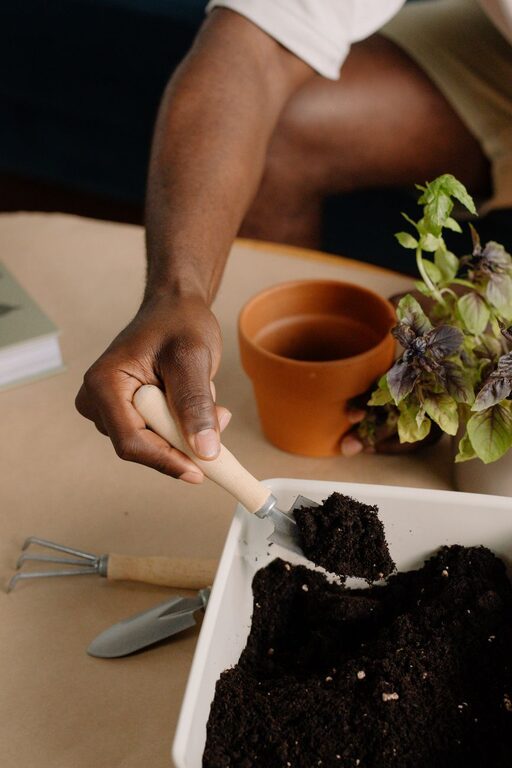
Fill your pots with soil, leaving about an inch of space at the top, plant your seeds or seedlings according to the package or nursery instructions, and water gently.
Watering and Care
Indoor herbs need consistent but moderate watering. Here’s how to care for them:
– Watering: Water when the top inch of soil feels dry. Avoid overwatering, which can cause root rot.
– Humidity: Herbs generally prefer moderate humidity. If your home is dry, mist plants occasionally or place a tray of water nearby.
– Fertilizing: Use a balanced, water-soluble fertilizer every 4-6 weeks during the growing season.
– Pruning: Regularly pinch or trim herbs to encourage bushy growth and prevent legginess.
Troubleshooting Common Problems
– Yellow leaves: Often a sign of overwatering or poor drainage.
– Leggy plants: Usually caused by insufficient light; move plants closer to a window or add grow lights.
– Pests: Check for aphids or spider mites; treat with gentle insecticidal soap if needed.
Harvesting Your Herbs
Harvest herbs regularly to promote growth. Use scissors to snip leaves and stems, avoiding cutting more than one-third of the plant at a time. Fresh herbs are best used immediately but can also be dried or frozen for later use.
Final Tips for Success
– Start small, with two or three herbs, then expand as you gain confidence.
– Rotate pots occasionally to ensure even light exposure.
– Keep a watering schedule to maintain consistent moisture.
– Enjoy experimenting with flavors in your cooking!
Growing a small indoor herb garden is a fun and practical project that can brighten your kitchen and meals. With a little care and attention, you’ll enjoy fresh, flavorful herbs all year long. Happy gardening!