
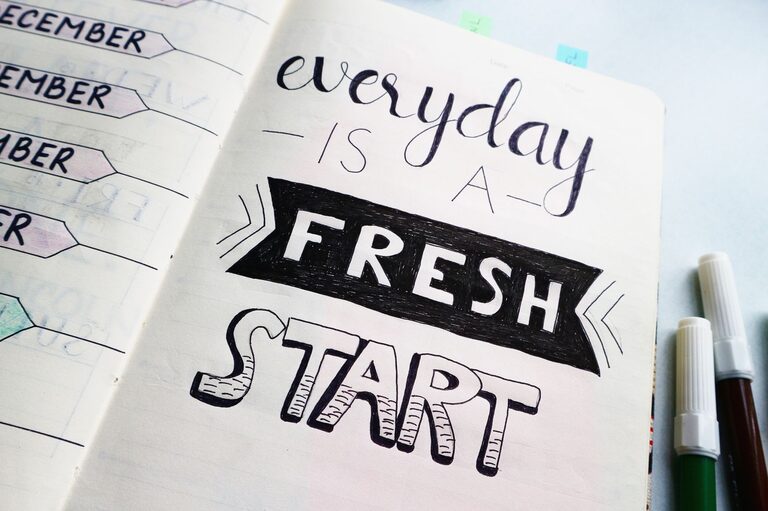
Creativity isn’t just for artists or writers—it’s a skill that everyone can nurture and use in everyday life. Whether you want to solve problems more effectively, think outside the box at work, or simply add more joy to your routine, practicing creativity daily can make a big difference. The good news? You don’t need special tools or a lot of time to get started. Here are simple and practical ways to cultivate creativity every day.
Why Practice Creativity Daily?
Creativity is like a muscle—the more you use it, the stronger it gets. Regular creative practice can help you:
– Improve problem-solving skills
– Boost mental flexibility
– Reduce stress and increase happiness
– Enhance productivity and innovation
– Build confidence in your ideas
Even small daily habits can unlock your creative potential and make creativity a natural part of your life.
Simple Ways to Practice Creativity Every Day
1. Keep a Creativity Journal
Writing down your ideas, observations, and inspirations is a great way to track your creative growth. Carry a small notebook or use a note-taking app to jot down:
– Interesting thoughts
– New ideas for projects
– Things you notice in your surroundings
– Quotes or phrases that inspire you
Reviewing your journal regularly can spark new connections and inspire fresh ideas.
2. Try a Daily Drawing or Doodle
You don’t need to be an artist to benefit from drawing. Spend 5–10 minutes each day sketching something:
– A simple object near you
– A pattern or abstract shapes
– Quick doodles related to your mood or thoughts
This exercise helps engage your mind in visual thinking and creative expression without pressure.
3. Take a Different Route or Change Your Routine
Changing your environment or routine can stimulate creativity by exposing your brain to new stimuli. Try:
– Walking a different route to work or the store
– Rearranging your workspace
– Trying a new hobby or activity
New experiences can spark fresh ideas and break creative blocks.
4. Practice Free Writing
Set a timer for 5 to 10 minutes and write whatever comes to mind without worrying about grammar or spelling. This “free writing” helps bypass your inner critic and lets ideas flow freely. You might discover unexpected thoughts or solutions this way.
5. Limit Screen Time and Take Breaks
Too much time in front of screens can reduce creativity. Set specific times to disconnect and:
– Go for a walk outside
– Meditate or practice deep breathing
– Engage in hands-on activities like cooking or gardening
These breaks refresh your mind and create space for creative thoughts to emerge.
6. Ask “What If?” Questions
Challenge yourself with imaginative questions to stretch your thinking. For example:
– What if animals could talk?
– What if you could live in any time period?
– What if you had no limitations for a day?
These questions encourage playfulness and open-mindedness, which are key ingredients for creativity.
7. Collaborate or Share Ideas with Others
Creativity often thrives in social settings. Talk with friends, family, or colleagues about your ideas, or brainstorm together. Different perspectives can inspire new ways of thinking and help you refine your own ideas.
8. Experiment Without Fear of Failure
Give yourself permission to try new things without worrying about the outcome. Whether it’s cooking a new recipe, trying a craft, or learning a musical instrument, the process of experimenting is a creative act in itself.
Maintaining Your Creative Momentum
Set Realistic Goals
Instead of aiming for big breakthroughs, focus on small, consistent creative habits. Even 10 minutes a day can add up over time.
Create a Creative Space
Designate a spot where you feel comfortable and inspired to create. It doesn’t have to be fancy—a corner with your favorite supplies or books can do the trick.
Celebrate Your Creativity
Acknowledge your efforts and progress. Share your creations if you like, or simply take pride in trying something new.
Final Thoughts
Creativity is accessible to everyone and can be cultivated with simple, intentional practices. By making creativity a daily habit, you’ll likely find yourself thinking more openly, solving problems more creatively, and enjoying the process of discovery. Start small, stay curious, and have fun exploring your creative side every day!